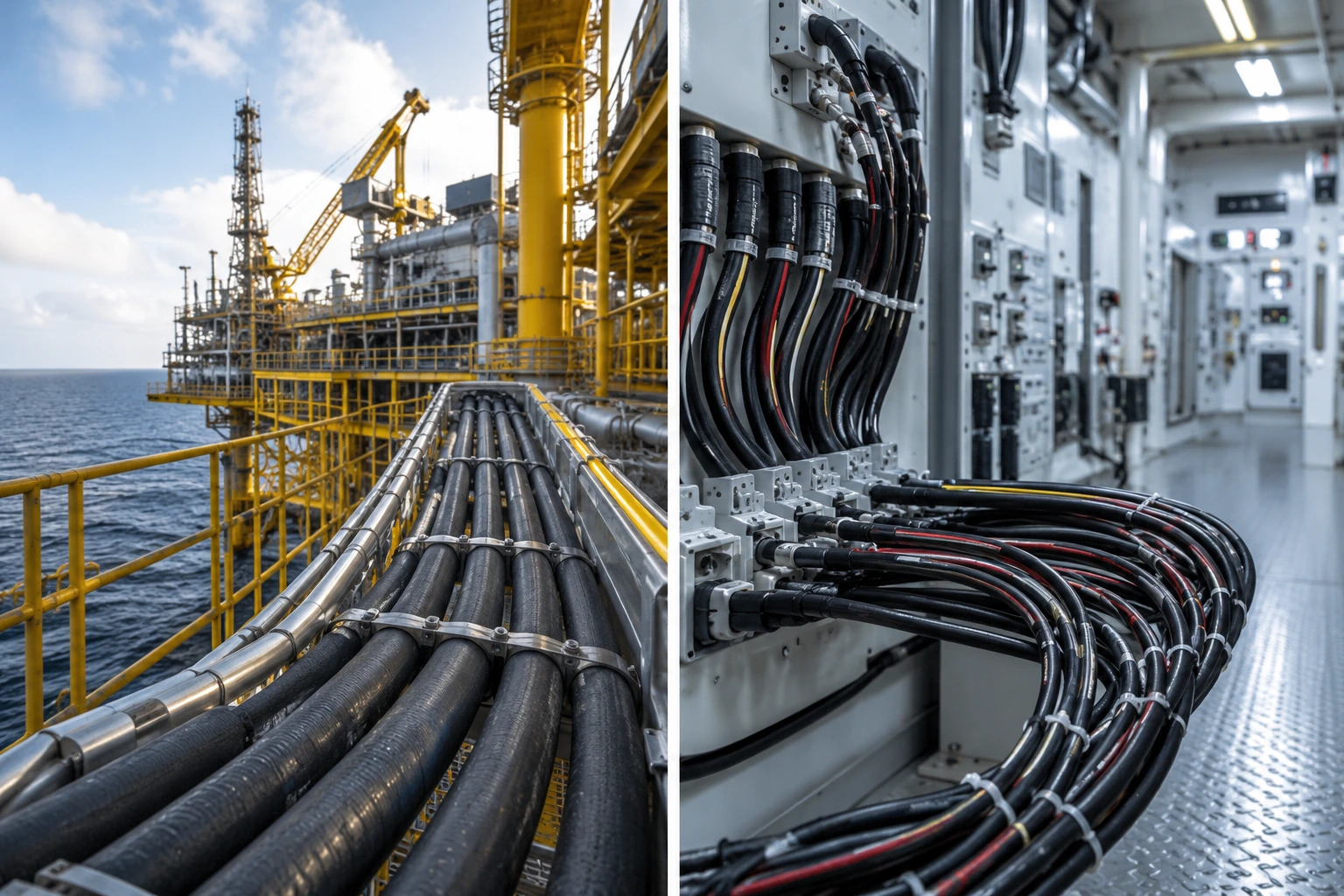
Offshore and marine industries operate in some of the most demanding environments for electrical systems. Cables installed on vessels, offshore platforms, drilling rigs, and marine facilities must withstand moisture, vibration, mechanical stress, oil exposure, and harsh weather conditions while maintaining reliable performance.
Among the most commonly used marine cable types are RFOU and BFOU offshore cables. Engineers design both cable types for offshore and marine applications, but they select them for different purposes based on specific operational requirements
Understanding the differences between RFOU and BFOU cables can help engineers, contractors, and procurement teams choose the right solution for safe and efficient marine operations.
What Are Offshore Cables?
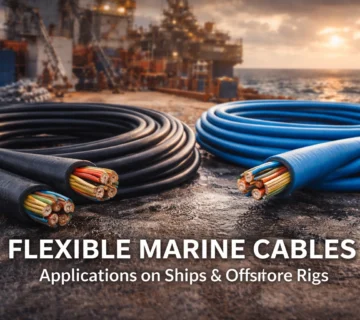
Manufacturers design offshore cables for use in marine vessels, offshore oil and gas platforms, shipboard electrical systems, and other demanding environments. They build these cables to deliver reliable power, control, and communication while resisting environmental and mechanical challenges.
Offshore cables are commonly required to withstand:
- Moisture and humidity
- Saltwater exposure
- Mechanical stress
- Oil and chemical contact
- Flame propagation risks
- Harsh operating conditions
Different offshore cable constructions are available depending on voltage requirements, installation conditions, and operational needs.
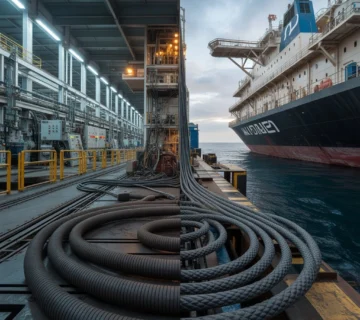
Manufacturers design offshore cables as specialized electrical cables for marine vessels, offshore oil and gas platforms, shipboard electrical systems, and other demanding environments. These marine cables are engineered to withstand moisture, vibration, saltwater exposure, and harsh offshore conditions.
What Is an RFOU Cable?
RFOU cable is a marine and offshore cable designed with enhanced mechanical protection and durability for demanding installations.
These cables are commonly used in:
- Offshore oil & gas platforms
- Marine vessels
- Shipboard electrical systems
- Industrial offshore facilities
- Power distribution systems
RFOU cables are known for:
- Strong mechanical protection
- Flame-retardant characteristics
- Oil resistance
- Moisture resistance
- Long service life
They are often selected for applications where additional cable protection and operational reliability are critical.
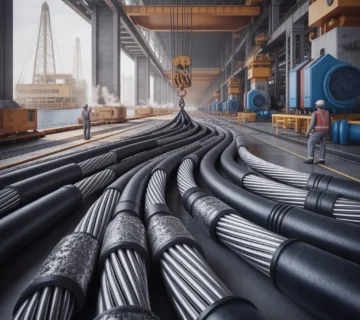
Offshore oil and gas projects often require highly durable RFOU cables that can withstand mechanical stress and demanding operating conditions.
What Is a BFOU Cable?
BFOU cable is another widely used marine cable designed primarily for offshore power, control, and instrumentation systems.
These cables are commonly installed in:
- Offshore facilities
- Marine automation systems
- Navigation systems
- Control panels
- Shipboard equipment
BFOU cables offer:
- Excellent flexibility
- Reliable electrical performance
- Flame-retardant properties
- Resistance to marine environmental conditions
They are frequently used where flexibility and installation convenience are important considerations.
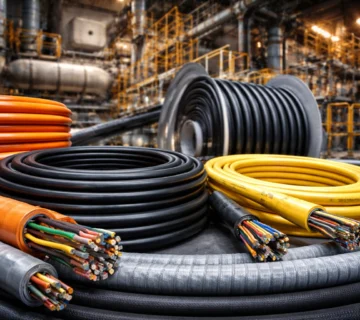
For control, instrumentation, and power applications, many operators choose BFOU cables because of their flexibility and reliable performance in marine environments.
RFOU vs BFOU Offshore Cables: Key Differences
| Feature | RFOU Cable | BFOU Cable |
| Primary Use | Heavy-duty offshore applications | Offshore power & control systems |
| Mechanical Protection | Higher | Moderate |
| Flexibility | Good | Better |
| Installation Conditions | Harsh environments | General offshore installations |
| Durability | Very High | High |
| Resistance to Mechanical Stress | Excellent | Good |
| Marine Applications | Extensive | Extensive |
Both cable types are designed for marine environments, but the final selection depends on project requirements and operating conditions.
When Should You Choose RFOU Cables?
RFOU cables are often preferred when installations involve:
Heavy Mechanical Stress
Areas where cables may experience impact, vibration, or demanding operational conditions.
Offshore Oil & Gas Projects
Drilling rigs and offshore production facilities often require highly durable cable systems.
Long-Term Reliability Requirements
Projects where maintenance access is limited benefit from robust cable construction.
Critical Power Distribution Systems
Reliable power transmission is essential for offshore operational safety.
When Should You Choose BFOU Cables?
BFOU cables are often selected when:
Flexible Installation Is Required
Their design makes routing and installation easier in confined spaces.
Control & Instrumentation Systems Are Involved
Widely used in monitoring and control applications.
Marine Electrical Systems Need Reliable Performance
Suitable for shipboard power and auxiliary systems.
Space Optimization Is Important
Flexibility can simplify cable management and installation.
Common Applications of RFOU and BFOU Cables
Both cable types are commonly used across:
Marine Vessels
Supporting power distribution, lighting, communication, and operational systems.
Offshore Oil & Gas Facilities
Providing reliable electrical infrastructure for offshore operations.
Shipboard Electrical Systems
Used in control rooms, engine rooms, and auxiliary equipment.
Marine Automation Systems
Supporting automated monitoring and control systems.
Offshore Energy Projects
Installed in electrical networks that require dependable long-term performance.
Factors to Consider Before Selecting Offshore Cables
Choosing between RFOU and BFOU cables should involve evaluating:
Environmental Conditions
Consider exposure to:
- Saltwater
- Moisture
- UV radiation
- Chemicals
- Temperature variations
Mechanical Requirements
Assess:
- Vibration levels
- Physical impact risks
- Installation conditions
Cable Flexibility
Projects with complex routing requirements may benefit from more flexible cable options.
Operational Reliability
Critical offshore systems require cable solutions designed for long-term performance.
Compliance Standards
Ensure the selected cable meets applicable marine and offshore standards.
Why High-Quality Marine Cables Matter
Cable failures in offshore environments can result in:
- Expensive downtime
- Safety risks
- Operational disruptions
- Increased maintenance costs
High-quality marine cable systems help ensure reliable performance while improving operational safety and long-term efficiency. For offshore operators, selecting the correct cable type is a crucial part of maintaining dependable electrical infrastructure.
Conclusion
Both RFOU and BFOU offshore cables play an important role in marine and offshore electrical systems. Users often prefer RFOU cables for heavy-duty applications that require enhanced mechanical protection, while they choose BFOU cables for their flexibility and reliable performance across a wide range of offshore installations.
Understanding the differences between these cable types helps project teams choose the most suitable solution based on environmental conditions, installation requirements, and operational demands.
By selecting the right offshore cable, marine operators can improve safety, reliability, and long-term performance in demanding offshore environments.
FAQs – Frequently Asked Questions
Q1. What is the difference between RFOU and BFOU cables?
Ans – Engineers generally use RFOU cables when they need higher mechanical protection, while they often choose BFOU cables for applications that require greater flexibility and easier installation.
Q2. Where are RFOU cables commonly used?
Ans – Offshore oil and gas facilities, marine vessels, shipboard systems, and heavy-duty offshore installations widely use RFOU cables.
Q3. Are BFOU cables suitable for marine applications?
Ans – Yes. BFOU cables are specifically designed for offshore and marine environments and are commonly used in power, control, and instrumentation systems.
Q4. Which cable is better for offshore installations?
Ans – The choice depends on project requirements. RFOU cables are often selected for demanding mechanical conditions, while BFOU cables are commonly used where flexibility is important.
Q5. Why are offshore cables different from standard industrial cables?
Ans – Manufacturers design offshore cables to withstand moisture, saltwater exposure, vibration, oil contact, and harsh marine conditions that standard industrial cables may not handle effectively.