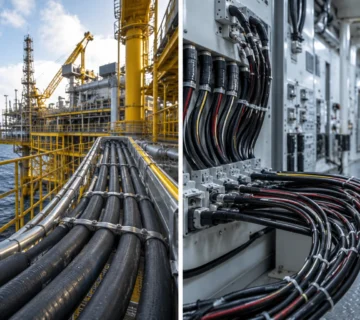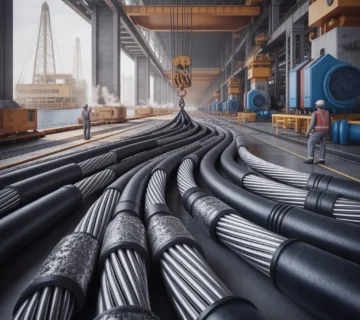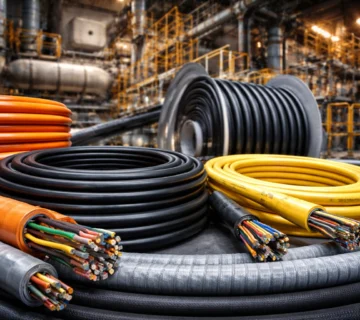
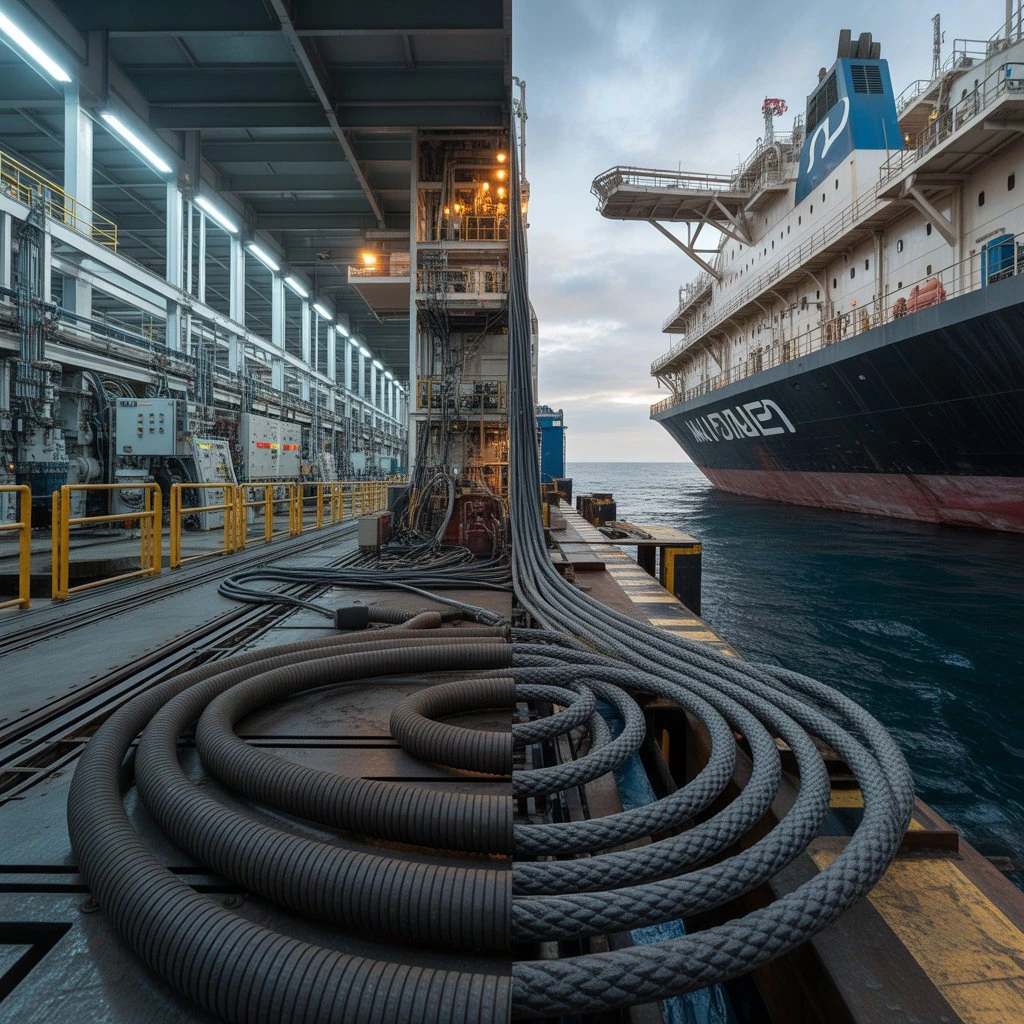
Flexible cables play a critical role in modern industrial and marine operations where movement, vibration, and demanding environmental conditions are common. From automated manufacturing plants to offshore marine systems, these cables are designed to maintain reliable electrical performance while handling continuous flexing and mechanical stress.
In industries across the UAE, flexible cables are widely used in machinery, control systems, marine vessels, offshore platforms, and industrial automation projects. However, the requirements for industrial environments can differ significantly from marine conditions. Factors such as moisture exposure, saltwater corrosion, vibration, and extreme temperatures influence the type of flexible cable selected for each application.
This guide explains the major applications of flexible cables in industrial and marine environments, the key differences between these sectors, and how to choose the right cable for long-term reliability and safety.
What Are Flexible Cables?
Flexible cables are specially designed electrical cables that can bend repeatedly without damaging the conductor or insulation. Unlike standard rigid cables, flexible cables are manufactured using stranded conductors and durable insulation materials that allow easier movement and installation.
These cables are commonly used in applications where:
- Equipment experiences constant motion
- Machines generate vibration
- Cables require repeated bending
- Tight installation spaces are involved
- Harsh environmental conditions are present
Flexible cables can be used for power transmission, control systems, instrumentation, communication, and automation systems across multiple industries.
Why Flexible Cables Are Important in Industrial & Marine Projects
Industrial and marine systems often operate in environments where standard cables may fail prematurely. Flexible cables help improve operational efficiency by reducing the risk of cracking, conductor damage, insulation failure, and unexpected downtime.
Some major advantages include:
- Better flexibility during installation
- Resistance to mechanical stress
- Improved durability in moving applications
- Reduced maintenance requirements
- Reliable performance in harsh environments
- Longer operational lifespan
Because of these benefits, flexible cables are widely preferred in both industrial automation and marine electrical systems throughout the UAE.
Flexible Cable Applications in Industrial Environments
Industrial facilities rely heavily on flexible cables for machinery operation, automation systems, and power distribution. Modern manufacturing processes involve continuous machine movement, robotic systems, and dynamic equipment that require cables capable of handling repeated motion.
1. Industrial Machinery
Flexible cables are commonly used in:
- CNC machines
- Packaging equipment
- Conveyor systems
- Hydraulic machinery
- Textile machinery
These applications involve frequent bending and vibration, making cable flexibility essential for uninterrupted performance.
2. Robotics & Automation Systems
Industrial automation systems use flexible cables to connect robotic arms, sensors, actuators, and control panels. Since robotic systems move continuously during operation, cables must withstand repetitive motion cycles without losing conductivity.
Flexible cables help:
- Minimize signal interruption
- Improve equipment efficiency
- Reduce cable wear
- Support high-speed automation processes
3. Control Panels & Electrical Systems
Control panels in factories and industrial plants require organized wiring layouts with easy cable routing. Flexible cables simplify installation in compact spaces while maintaining safe electrical performance.
They are commonly used for:
- Power supply connections
- Control circuits
- Instrumentation systems
- PLC systems
- Motor connections
4. Heavy-Duty Industrial Applications
In sectors such as oil & gas, construction, mining, and manufacturing, flexible cables are used in demanding conditions where exposure to heat, chemicals, dust, and mechanical impact is common.
Special industrial flexible cables are often designed with:
- Flame-retardant insulation
- Oil resistance
- Abrasion resistance
- Heat-resistant jackets
- Chemical protection layers
Flexible Cable Applications in Marine Environments
Marine environments present unique challenges that require highly durable cable systems. Ships, offshore platforms, and marine equipment operate in conditions involving constant moisture, salt exposure, vibration, and temperature variations.
Marine flexible cables handle harsh operating conditions safely and efficiently through their specialized design.
1. Shipboard Electrical Systems
Flexible marine cables are widely used for:
- Power distribution
- Navigation systems
- Engine room wiring
- Lighting systems
- Communication equipment
The flexibility of these cables simplifies installation in confined ship spaces and moving systems. Marine vessels commonly use durable marine cables for safe electrical performance in harsh conditions.
2. Offshore Oil & Gas Platforms
Offshore facilities require highly reliable cable systems because operational failures can result in safety risks and costly downtime.
Flexible cables in offshore applications are used for:
- Drilling equipment
- Offshore control systems
- Power transmission
- Emergency systems
- Monitoring equipment
Marine-grade flexible cables often include enhanced protection against:
- Saltwater corrosion
- UV exposure
- Moisture penetration
- Fire hazards
3. Marine Automation & Control Systems
Modern marine vessels increasingly rely on automation systems for navigation, monitoring, and operational control. Flexible cables support these systems by ensuring reliable signal transmission even under constant vibration and movement.
4. Port & Dockside Equipment
Flexible cables are also used in:
- Cranes
- Cargo handling systems
- Dockside power systems
- Shore-to-ship power connections
These environments require cables capable of handling outdoor exposure, heavy mechanical loads, and continuous movement.
Industrial vs Marine Environments: Key Cable Differences
Although both industries use flexible cables, the environmental conditions vary significantly.
| Feature | Industrial Environment | Marine Environment |
| Moisture Exposure | Moderate | Very High |
| Saltwater Exposure | Low | Continuous |
| Mechanical Stress | High | High |
| UV Resistance | Moderate | High |
| Corrosion Risk | Medium | Extremely High |
| Fire Safety Standards | Important | Critical |
| Vibration Levels | High | Constant & Severe |
Marine flexible cables generally require stronger insulation, corrosion resistance, and higher environmental protection compared to standard industrial flexible cables. In high-impact applications, companies often combine flexible systems with armoured cables for extra protection.
Factors to Consider Before Choosing Flexible Cables
Selecting the right flexible cable depends on the operating environment and application requirements.
Cable Flexibility
Applications involving continuous movement require cables with high flex life and stranded conductors.
Environmental Conditions
Consider exposure to:
- Water
- Salt
- Chemicals
- UV rays
- Heat
- Oil
- Abrasion
Voltage & Power Requirements
The cable must support the required electrical load safely and efficiently.
Fire Resistance
Marine and industrial projects often require flame-retardant or low smoke zero halogen (LSZH) cables for improved safety.
Compliance Standards
Always select cables that meet relevant international marine and industrial standards for safety and performance.
Common Cable Failures in Harsh Environments
Using the wrong cable type can lead to several operational issues, including:
- Insulation cracking
- Corrosion damage
- Signal interference
- Power loss
- Overheating
- Frequent maintenance
- Equipment downtime
High-quality flexible cables help reduce these risks and improve long-term operational reliability.
Why Cable Quality Matters in UAE Projects
Industrial and marine projects in the UAE often operate under demanding environmental conditions including high temperatures, humidity, offshore exposure, and continuous equipment usage.
Poor-quality cables can lead to:
- Increased downtime
- Safety hazards
- Expensive repairs
- Reduced equipment lifespan
Choosing reliable flexible cable solutions helps businesses improve safety, operational efficiency, and long-term project performance.
Industries such as shipping, offshore oil & gas, manufacturing, logistics, and infrastructure development depend heavily on durable cable systems for uninterrupted operations.
Conclusion
Flexible cables are essential for modern industrial and marine environments where durability, movement resistance, and operational reliability are critical. While industrial applications focus heavily on automation, machinery, and control systems, marine environments demand additional protection against moisture, corrosion, and extreme operating conditions.
Understanding the differences between industrial and marine cable requirements helps businesses select the right cable solutions for safe and efficient performance. Whether used in offshore platforms, manufacturing facilities, ships, or automation systems, high-quality flexible cables contribute significantly to operational stability and long-term reliability.
FAQs – Frequently Asked Questions
Q1. How do industries use flexible cables?
Ans – Industries use flexible cables for machinery, robotics, marine systems, and industrial automation that involve movement, vibration, and dynamic electrical operations.
Q2. Are marine flexible cables different from industrial cables?
Ans – Yes. Marine flexible cables withstand moisture, saltwater exposure, corrosion, and harsh offshore conditions through their durable design.
Q3. Why are flexible cables preferred in automation systems?
Ans – Flexible cables can handle continuous bending and movement without damaging the conductor or insulation, making them ideal for automation systems and robotics.
Q4. Which industries commonly use flexible cables?
Ans – Industries including marine, offshore oil & gas, manufacturing, construction, logistics, mining, and industrial automation commonly use flexible cables.
Q5. What factors should be considered when selecting flexible cables?
Ans – Important factors include flexibility, environmental conditions, voltage requirements, fire resistance, durability, and compliance standards.