Safe navigation is one of the most critical aspects of maritime operations. Whether operating cargo ships, offshore support vessels, tankers, fishing vessels, or commercial workboats, proper navigation lighting plays a vital role in ensuring visibility, preventing collisions, and maintaining compliance with international maritime regulations.
Marine navigation signal lights help vessel operators communicate their position, direction, status, and operational intentions to other vessels, especially during nighttime operations or periods of reduced visibility.
Choosing the right marine navigation signal lights is not simply about installing lights on a vessel. Factors such as vessel type, visibility range, environmental conditions, compliance requirements, and product reliability must all be considered to ensure safe and efficient marine operations.
This guide explains how to choose marine navigation signal lights for commercial vessels and highlights the key factors vessel owners, operators, and marine professionals should evaluate before making a selection.
What Are Marine Navigation Signal Lights?
Marine navigation signal lights are specialized lighting systems installed on vessels to indicate a vessel’s position, direction of travel, and operational status to nearby ships and marine traffic.
These lights help improve navigational awareness and support safe vessel movement in busy waterways, ports, offshore facilities, and open sea environments.
Modern vessels rely on certified navigation signal lights to maintain visibility and comply with international maritime safety regulations.
Navigation lights are commonly installed on:
- Cargo vessels
- Tankers
- Offshore support vessels
- Tugboats
- Fishing vessels
- Passenger ships
- Workboats
- Marine service vessels
Without proper navigation lighting, vessels may face increased collision risks and potential non-compliance with maritime regulations.
Why Navigation Signal Lights Are Important for Commercial Vessels
Commercial vessels often operate around the clock in varying weather and visibility conditions. Navigation lights provide critical information that allows nearby vessels to understand a ship’s location and movement.
Proper navigation lighting helps:
- Improve maritime safety
- Reduce collision risks
- Enhance vessel visibility
- Support safe nighttime operations
- Meet maritime compliance requirements
- Improve operational confidence
Reliable marine lighting systems are essential for both offshore and nearshore vessel operations.
Types of Marine Navigation Signal Lights
Understanding the different types of navigation lights is important when selecting a lighting system.
Masthead Lights
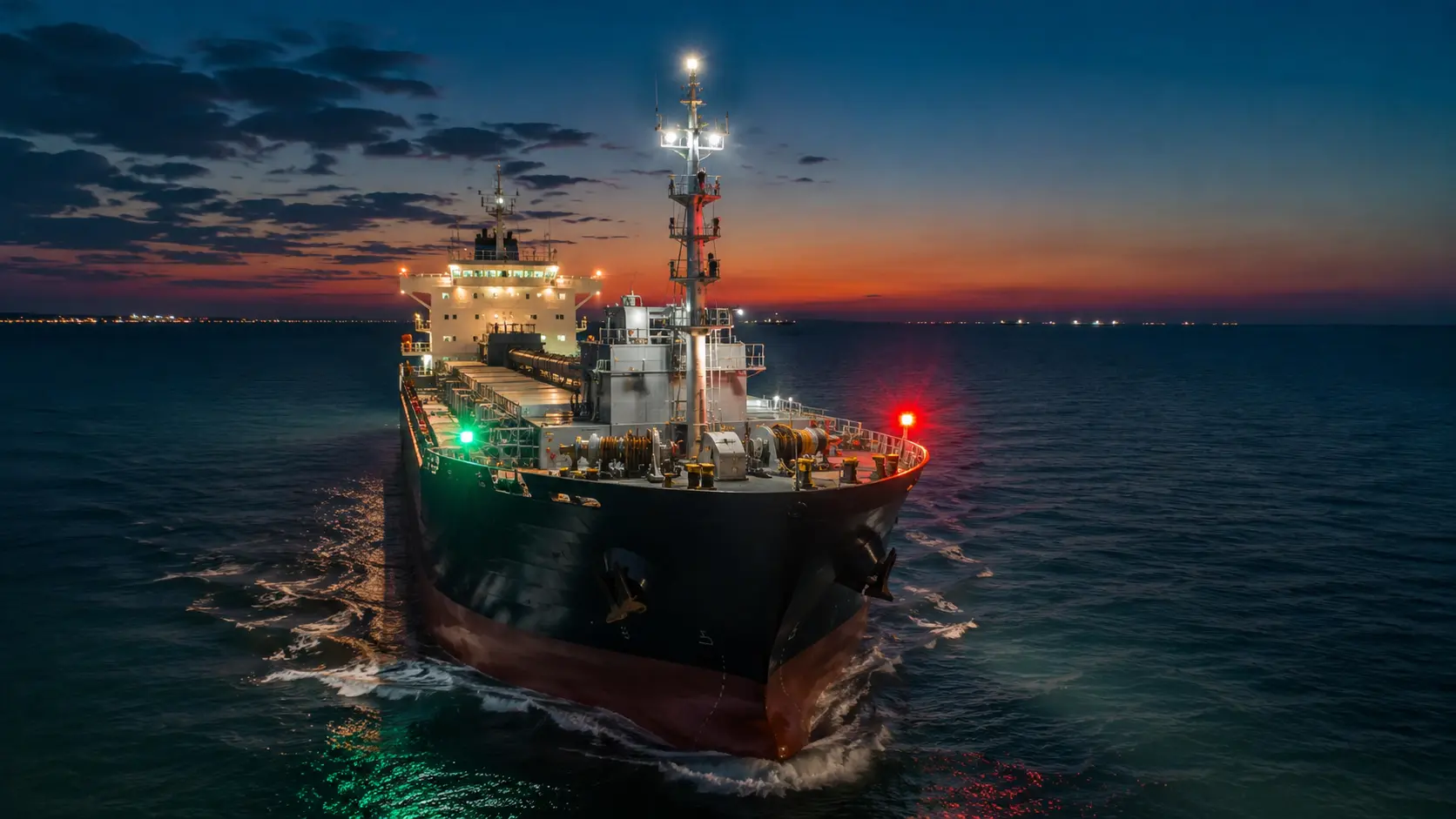
Masthead lights are white lights positioned along the vessel’s centerline and are used to indicate a vessel’s heading and presence.
These lights are commonly installed on commercial ships, offshore vessels, and larger marine vessels.
Sidelights
Sidelights indicate a vessel’s direction of travel.
They include:
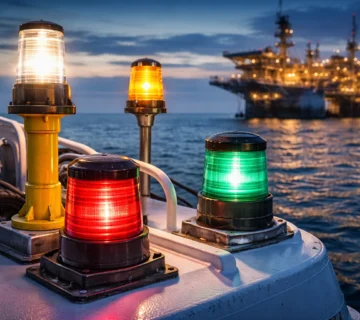
- Red light on the port side
- Green light on the starboard side
These lights help nearby vessels determine movement direction and avoid potential collisions.
Stern Lights
Stern lights are white lights positioned at the rear of the vessel.
They help indicate the vessel’s presence and direction when viewed from behind.
All-Round Lights
All-round lights provide visibility across a full 360-degree range.
These lights are commonly used on:
- Small vessels
- Workboats
- Service vessels
- Specialized marine equipment
Special Signal Lights
Some vessels require additional signal lights to indicate specific operational conditions such as towing, dredging, restricted maneuverability, or fishing operations.
Selecting the correct signal configuration is essential for regulatory compliance.
Factors to Consider When Choosing Marine Navigation Signal Lights
Not all marine navigation lights are designed for the same applications. Several factors should be considered before making a selection.
Vessel Type
The size and purpose of a vessel directly influence navigation lighting requirements.
Examples include:
- Cargo ships
- Tankers
- Offshore support vessels
- Fishing vessels
- Passenger vessels
- Tugboats
Each vessel category may require a specific navigation light arrangement.
Visibility Range
One of the most important considerations is visibility distance. Commercial vessels often require navigation lights capable of providing visibility over greater distances than smaller recreational boats. Higher visibility improves safety and operational awareness in busy marine environments.
Marine Environment
Marine lighting systems must operate reliably in harsh conditions including:
- Saltwater exposure
- Moisture
- Humidity
- UV radiation
- High winds
- Temperature fluctuations
Lighting systems designed specifically for marine applications typically offer better resistance to environmental damage.
Compliance with Maritime Regulations
Navigation lights should comply with applicable maritime safety standards and regulations.
Compliance helps ensure:
- Vessel safety
- Legal operation
- Inspection readiness
- International acceptance
Selecting certified marine navigation lighting solutions can help avoid operational issues and compliance concerns.
Durability and Reliability
Commercial vessels operate continuously, often in demanding offshore conditions.
Lighting systems should provide:
- Long service life
- Corrosion resistance
- Vibration resistance
- Reliable illumination
- Minimal maintenance requirements
Durable lighting solutions help reduce downtime and maintenance costs.
LED Technology
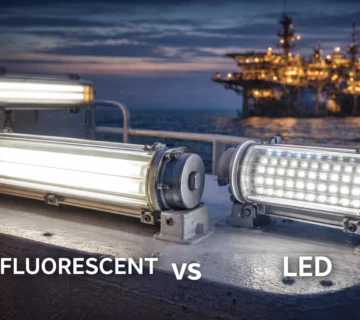
Many modern vessels now prefer LED navigation lights because they offer:
- Lower power consumption
- Longer lifespan
- Reduced maintenance
- Better visibility
- Improved energy efficiency
LED marine lighting solutions are increasingly becoming the preferred choice for commercial marine operations.
Common Challenges in Marine Lighting Systems
Marine environments create several challenges that can affect lighting performance.
These include:
- Corrosion from saltwater exposure
- Vibration from vessel movement
- Extreme weather conditions
- Moisture intrusion
- Electrical system stress
Selecting marine-grade navigation lights designed for these conditions can significantly improve long-term reliability.
Why Quality Marine Navigation Lights Matter
Navigation lights are more than a compliance requirement. They are a critical part of vessel safety systems.
Poor-quality lighting products may lead to:
- Reduced visibility
- Frequent maintenance
- Equipment failure
- Increased safety risks marine cablesOperational disruptions
Many operators integrate advanced Qlight marine signalling alarm systems alongside navigation lighting to improve onboard safety and communication.
Reliable marine lighting solutions help vessel operators maintain safe navigation while reducing operational risks.
Marine Navigation Lights and Vessel Safety
Effective navigation lighting contributes directly to safer vessel operations by improving communication between vessels and increasing visibility during challenging operating conditions.
Commercial marine operators should prioritize:
- Product quality
- Regulatory compliance
- Marine-grade construction
- Long-term reliability
- Proper installation
Choosing reliable marine cables and navigation lighting systems helps ensure safe vessel operation in demanding marine environments.
Investing in high-quality marine lighting systems can improve operational performance while supporting long-term maritime safety objectives.
Conclusion
Selecting the right marine navigation signal lights is essential for maintaining vessel safety, improving visibility, and complying with maritime regulations. Factors such as vessel type, visibility range, environmental conditions, durability, and lighting technology should all be carefully evaluated before making a selection.
Modern commercial vessels require dependable navigation lighting solutions capable of performing reliably in challenging marine environments. By investing in high-quality marine navigation signal lights, vessel operators can enhance operational safety, reduce maintenance concerns, and support efficient maritime operations.
FAQs – Frequently Asked Questions
Q1. What are marine navigation signal lights used for?
Ans – Marine navigation signal lights help indicate a vessel’s position, direction, and operational status to nearby vessels, improving navigation safety and visibility.
Q2. Which navigation lights are required on commercial vessels?
Ans – Commercial vessels typically use masthead lights, sidelights, stern lights, and additional signal lights depending on vessel type and operational requirements.
Q3. Why are LED navigation lights preferred?
Ans – LED navigation lights offer longer lifespan, lower power consumption, improved reliability, and reduced maintenance compared to traditional lighting technologies.
Q4. How far should marine navigation lights be visible?
Ans – Visibility requirements depend on vessel size and applicable maritime regulations. Commercial vessels generally require higher visibility ranges for safe operation.
Q5. Why is compliance important when choosing navigation lights?
Ans – Compliance ensures navigation lights meet maritime safety requirements, helping vessels operate legally while improving overall marine safety.