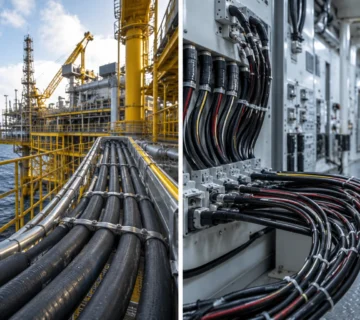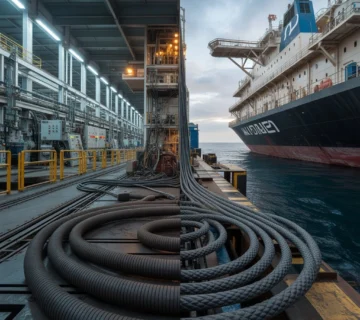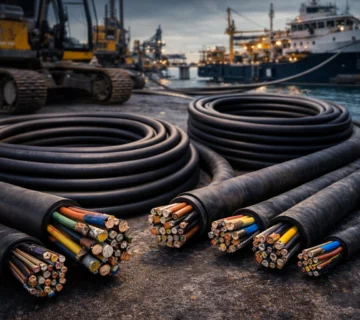
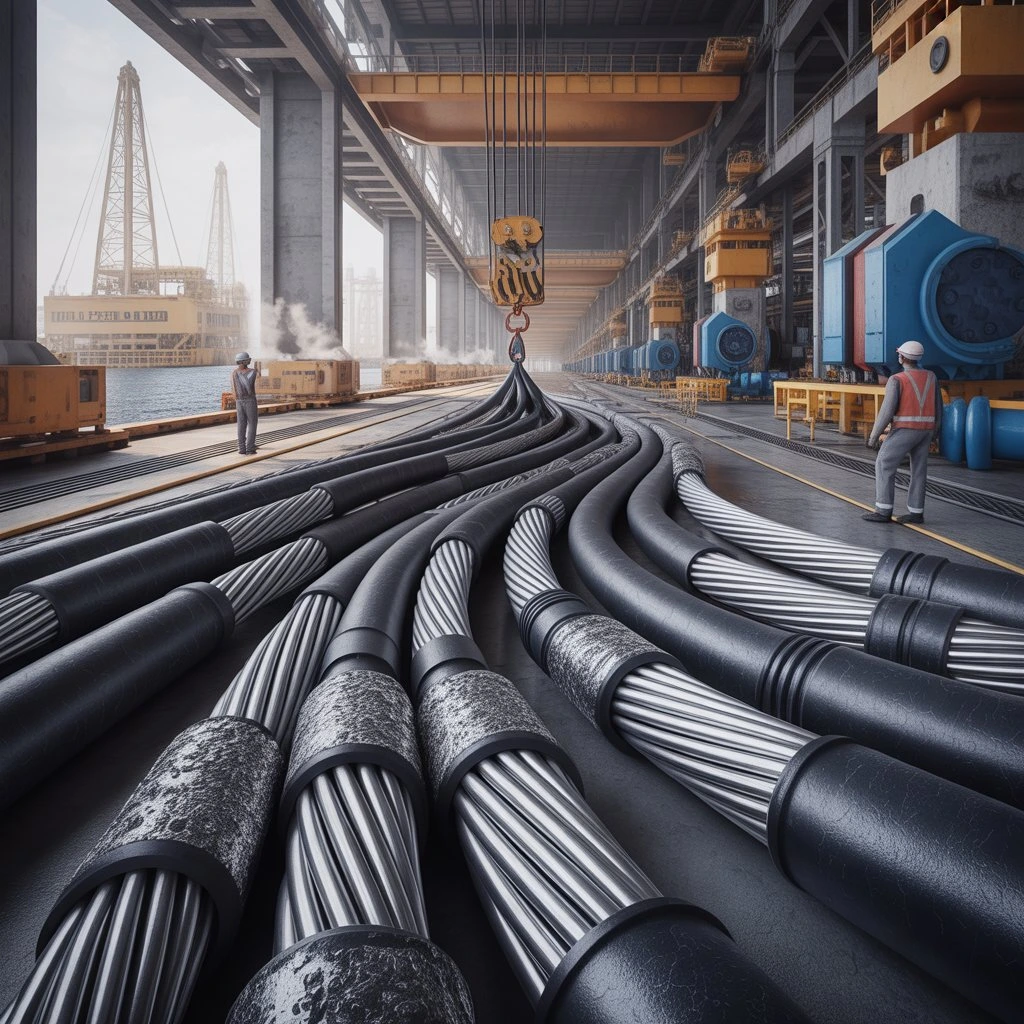
Industrial environments demand electrical systems that can perform reliably under constant stress, movement, heat, moisture, and mechanical impact. In sectors such as manufacturing, construction, marine, mining, oil & gas, and heavy industrial operations, cable durability becomes a critical factor for both safety and operational efficiency.
This is where rubber cables play an important role. Known for their flexibility, toughness, and resistance to harsh conditions, rubber cables are widely used in industrial applications where standard cables may fail prematurely.
From mobile machinery and power tools to offshore systems and heavy-duty industrial equipment, rubber cables provide dependable electrical performance even in demanding environments. In the UAE, industries operating under high temperatures, humidity, and challenging site conditions increasingly rely on industrial rubber cables for long-term reliability and safety.
This guide explores the top benefits of rubber cable in harsh industrial environments, common applications, and why these cables are preferred across multiple industries.
What Is a Rubber Cable?
A rubber cable is an electrical cable designed with rubber-based insulation or outer sheathing to provide enhanced flexibility, durability, and environmental resistance. Unlike conventional PVC cables, rubber cables are built to handle mechanical stress, repeated movement, extreme temperatures, moisture exposure, and outdoor operating conditions.
These cables are commonly used in:
- Heavy industrial machinery
- Construction sites
- Marine systems
- Mining operations
- Portable electrical equipment
- Offshore platforms
- Welding systems
- Industrial automation
Because of their flexible construction and rugged design, industrial rubber cables are ideal for environments where cables are exposed to continuous movement, rough handling, and harsh operating conditions.
Many industries today rely on durable industrial rubber cables for demanding electrical applications.
Why Rubber Cables Are Widely Used in Industrial Environments
Industrial facilities often operate under demanding conditions that can damage standard electrical cables over time. Heat, vibration, oil exposure, abrasion, chemicals, and moisture can lead to insulation failure, cracking, or conductor damage.
Rubber cables are specifically engineered to withstand these challenges while maintaining stable electrical performance. Their flexibility and mechanical strength make them suitable for both fixed and mobile industrial applications.
Industries prefer rubber cables because they:
- Perform well under mechanical stress
- Remain flexible in extreme temperatures
- Resist abrasion and environmental damage
- Support safer industrial operations
- Reduce maintenance and downtime
These advantages make rubber flexible cables a reliable solution for modern industrial infrastructure.
Top Benefits of Rubber Cable in Harsh Industrial Environments
1. Excellent Flexibility
One of the biggest advantages of rubber cables is their superior flexibility. Industrial equipment often involves movement, bending, and vibration, especially in applications such as cranes, conveyor systems, robotic machinery, and portable tools.
Rubber cables can bend repeatedly without damaging the conductor or insulation, making them ideal for dynamic applications.
This flexibility helps:
- Simplify cable installation
- Improve cable routing
- Reduce stress during operation
- Support moving machinery safely
Industries using automated systems and heavy equipment commonly depend on flexible cable solutions for smooth operational performance.
Modern machinery and automation systems commonly use flexible cable solutions for continuous movement applications
2. High Resistance to Heat & Extreme Temperatures
Industrial environments frequently expose cables to elevated temperatures generated by machinery, electrical systems, and outdoor conditions.
Rubber cables are designed to maintain performance under both high and low temperature conditions. Their insulation materials help prevent cracking, melting, or performance degradation.
This makes them suitable for:
- Manufacturing plants
- Steel industries
- Welding equipment
- Outdoor industrial projects
- High-temperature operational zones
In regions like the UAE where industrial sites experience intense heat, heavy-duty industrial cables with rubber insulation offer improved reliability and lifespan.
High-temperature industrial operations often require reliable heavy-duty industrial cables for safe performance.
3. Strong Abrasion & Mechanical Resistance
Industrial environments can be physically demanding on electrical cables. Continuous movement, heavy machinery, dragging, impact, and rough surfaces may damage conventional cables quickly.
Rubber cables provide excellent resistance against:
- Abrasion
- Mechanical wear
- Impact damage
- Crushing forces
- Vibration
This durability makes them ideal for:
- Construction equipment
- Mining operations
- Industrial workshops
- Material handling systems
- Mobile machinery
By minimizing physical cable damage, businesses can reduce maintenance costs and avoid unexpected operational downtime.
4. Water & Moisture Resistance
Many industrial and offshore environments involve regular exposure to water, humidity, and wet operating conditions. Moisture intrusion can significantly affect cable safety and electrical performance.
Rubber cables are commonly designed with moisture-resistant properties that help protect the conductor and insulation in wet conditions.
These cables are widely used in:
- Marine cable systems
- Offshore facilities
- Shipboard installations
- Outdoor construction sites
- Water treatment plants
Their moisture resistance improves operational safety and long-term reliability in harsh environments.
Offshore and marine operations frequently depend on durable marine cable systems for reliable electrical safety.
5. Chemical & Oil Resistance
Industrial facilities often contain oils, fuels, lubricants, and chemicals that can damage ordinary cable insulation over time.
Rubber cables are designed to resist exposure to:
- Industrial oils
- Grease
- Chemicals
- Solvents
- Fuel substances
This makes them highly suitable for:
- Oil & gas facilities
- Chemical processing plants
- Manufacturing environments
- Automotive industries
- Heavy machinery applications
Chemical-resistant cable systems help reduce insulation breakdown and improve operational safety.
6. Heavy-Duty Durability
Industrial operations require cable systems capable of handling continuous use under demanding conditions. Rubber cables are known for their rugged construction and long operational life.
Their durability helps:
- Improve workplace safety
- Reduce replacement frequency
- Lower maintenance costs
- Minimize operational interruptions
Heavy-duty rubber cable systems are commonly selected for mission-critical industrial operations where reliability is essential.
7. Reliable Outdoor Performance
Outdoor industrial projects expose cables to sunlight, rain, humidity, dust, and fluctuating temperatures. Rubber cables generally provide better outdoor performance compared to many standard cable types.
Their protective properties help resist:
- UV exposure
- Weather conditions
- Outdoor wear
- Environmental stress
This makes them suitable for:
- Temporary power systems
- Construction sites
- Outdoor industrial equipment
- Port operations
- Infrastructure projects
Reliable outdoor cable performance is especially important in UAE industrial environments where extreme temperatures and outdoor exposure are common.
Common Industrial Applications of Rubber Cables
Rubber cables are used across multiple industries due to their versatility and durability.
Manufacturing Plants
Used in machinery, conveyor systems, automation equipment, and industrial control systems.
Construction Industry
Commonly used in temporary power distribution, portable equipment, cranes, and heavy-duty tools.
Marine & Offshore Projects
Widely installed in marine vessels, offshore platforms, and dockside electrical systems because of moisture resistance and durability.
Mining Operations
Suitable for heavy-duty mining equipment exposed to vibration, impact, and rough operating conditions.
Oil & Gas Facilities
Used in hazardous industrial environments where durability and resistance to chemicals are essential.
Rubber Cable vs Standard PVC Cable
| Feature | Rubber Cable | Standard PVC Cable |
| Flexibility | Excellent | Moderate |
| Heat Resistance | High | Moderate |
| Abrasion Resistance | Strong | Limited |
| Outdoor Performance | Excellent | Moderate |
| Moisture Resistance | High | Moderate |
| Mechanical Durability | Excellent | Standard |
| Industrial Suitability | Heavy-Duty | General Purpose |
Rubber cables are generally preferred for demanding industrial applications where durability and environmental resistance are critical.
Many industries combine rubber cable systems with armoured cables for additional mechanical protection.
Why Rubber Cable Matters in UAE Industrial Projects
Industrial projects in the UAE operate under some of the region’s toughest environmental conditions including:
- High temperatures
- Outdoor exposure
- Humidity
- Offshore environments
- Heavy industrial activity
Poor-quality cables may fail prematurely under these conditions, resulting in operational delays, safety risks, and increased maintenance costs.
Reliable industrial cable solutions UAE businesses can depend on are essential for:
- Infrastructure projects
- Marine operations
- Manufacturing facilities
- Construction sites
- Oil & gas industries
Choosing high-quality rubber cable systems helps improve operational reliability, workplace safety, and long-term project efficiency.
Conclusion
Rubber cables provide significant advantages in harsh industrial environments where flexibility, durability, and environmental resistance are critical. Their ability to withstand heat, moisture, abrasion, chemicals, and mechanical stress makes them a preferred solution across multiple industries.
From manufacturing plants and construction projects to marine systems and offshore facilities, industrial rubber cables support safer and more reliable electrical performance in demanding operating conditions.
Businesses operating in challenging environments can benefit greatly from selecting high-quality rubber cable solutions designed for long-term industrial use.
FAQs – Frequently Asked Questions
Q1. What are rubber cables used for?
Ans – Rubber cables are used in industrial machinery, construction equipment, marine systems, offshore platforms, mining operations, and portable electrical applications.
Q2. Why are rubber cables preferred in industrial environments?
Ans – Rubber cables provide flexibility, durability, heat resistance, moisture resistance, and strong protection against mechanical stress.
Q3. Are rubber cables suitable for outdoor use?
Ans – Yes. Rubber cables are designed to handle outdoor exposure including sunlight, moisture, weather conditions, and industrial environments.
Q4. What is the difference between rubber cable and PVC cable?
Ans – Rubber cables generally offer better flexibility, abrasion resistance, heat resistance, and heavy-duty performance compared to standard PVC cables.
Q5. Which industries commonly use rubber cables?
Ans – Industries such as manufacturing, construction, marine, oil & gas, mining, logistics, and industrial automation commonly use rubber cable systems.