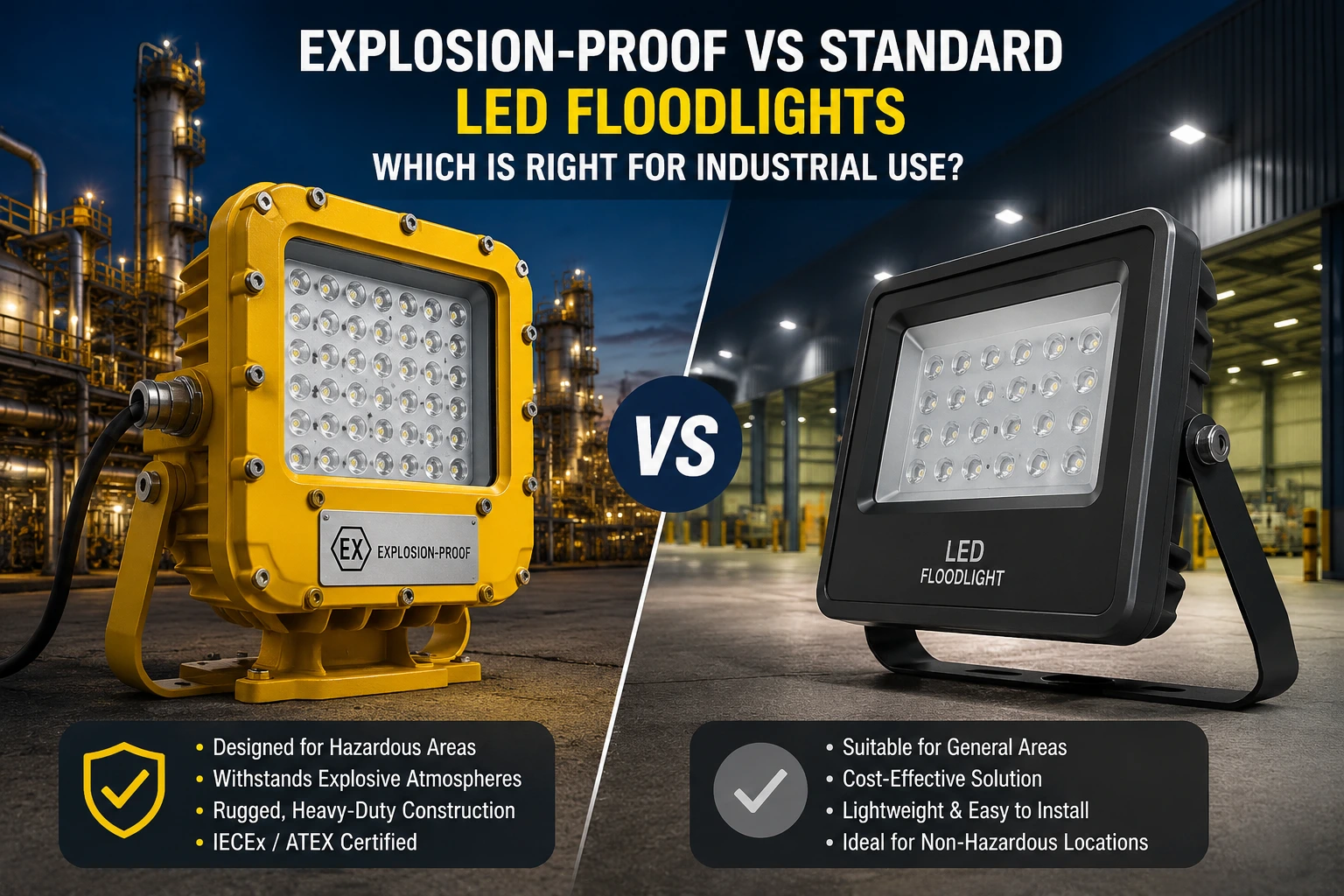
Lighting plays a vital role in ensuring safety, productivity, and operational efficiency across industrial facilities. From warehouses and manufacturing plants to oil & gas facilities and offshore platforms, selecting the right LED floodlight can significantly impact workplace safety and equipment reliability.
While standard LED floodlights are suitable for general industrial lighting, hazardous environments require specialized lighting solutions designed to prevent ignition risks. This is where explosion-proof LED floodlights become essential.
Understanding the differences between explosion-proof and standard LED floodlights helps facility managers, engineers, and procurement teams select the right lighting solution based on the operating environment and safety requirements.
This guide compares explosion-proof vs standard LED floodlights, highlighting their features, applications, advantages, and factors to consider before making a decision.
What Are Standard LED Floodlights?
Standard LED floodlights are high-performance lighting fixtures designed to illuminate large indoor and outdoor areas. They are commonly used in commercial and industrial environments where hazardous gases, vapors, or combustible dust are not present.
These lighting fixtures offer bright illumination while consuming significantly less energy than conventional lighting technologies.
Common applications include:
- Warehouses
- Manufacturing plants
- Parking areas
- Building exteriors
- Sports facilities
- Construction sites
- Commercial buildings
Modern industrial facilities widely use standard LED floodlights because they provide long service life, low maintenance requirements, and excellent energy efficiency.
What Are Explosion-Proof LED Floodlights?
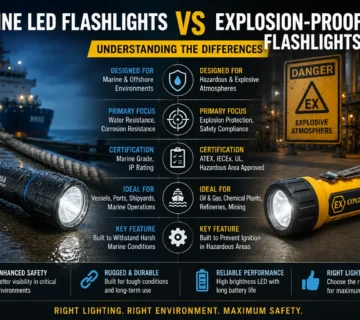
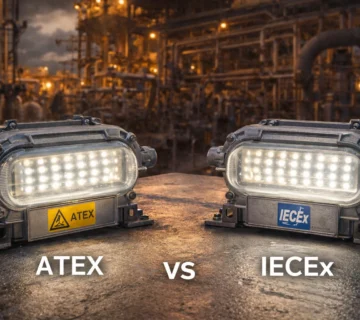
Explosion-proof LED floodlights are specially engineered lighting fixtures designed for hazardous environments where flammable gases, combustible dust, or explosive vapors may be present.
Unlike standard lighting fixtures, explosion-proof lights are built with rugged housings that help contain any internal spark or ignition source, preventing it from igniting the surrounding atmosphere.
These lighting systems are commonly installed in:
- Oil & gas facilities
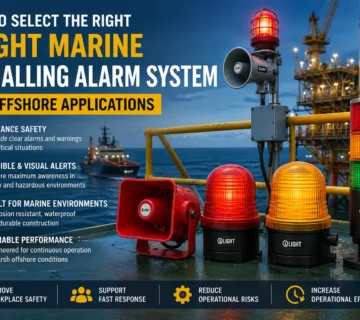
- Offshore platforms
- Chemical plants
- Marine environments
- Refineries
- Fuel storage terminals
- Mining operations
Because of their specialized construction, explosion-proof LED floodlights provide enhanced safety while delivering reliatrble illumination in hazardous industrial environments.
Industries operating in hazardous locations depend on certified explosion-proof LED floodlights to improve safety and ensure reliable illumination.
Explosion-Proof vs Standard LED Floodlights: Key Differences
Although both lighting systems use LED technology, their design, application, and safety features differ significantly.
| Feature | Explosion-Proof LED Floodlights | Standard LED Floodlights |
| Primary Application | Hazardous Areas | General Industrial Areas |
| Explosion Protection | Yes | No |
| Hazardous Gas Protection | Yes | No |
| Dust Protection | High | Moderate |
| Mechanical Strength | Heavy-Duty | Standard |
| Corrosion Resistance | Excellent | Good |
| Installation Cost | Higher | Lower |
| Typical Industries | Oil & Gas, Marine, Chemical | Warehouses, Factories, Commercial Buildings |
Selecting the correct lighting solution depends primarily on the operating environment and potential safety risks.
When Should You Choose Standard LED Floodlights?
Standard LED floodlights are an excellent option for industrial environments that do not contain explosive atmospheres.
They are suitable for:
Warehouses
Providing bright and energy-efficient illumination for storage facilities.
Manufacturing Plants
Lighting production floors, assembly lines, and loading areas.
Commercial Buildings
Outdoor security lighting and building illumination.
Parking Areas
Providing visibility and improving site security.
Infrastructure Projects
Roadways, logistics centers, and public facilities.
Standard LED floodlights offer excellent lighting performance while reducing electricity consumption and maintenance costs.
When Are Explosion-Proof LED Floodlights Essential?
Explosion-proof LED floodlights should always be used where flammable substances create a potential explosion hazard.
They are essential for:
Oil & Gas Facilities
Drilling sites, production facilities, and fuel processing plants require specialized lighting designed for hazardous environments.
Offshore Platforms
Marine environments involve saltwater exposure, combustible materials, and demanding operating conditions where explosion-proof lighting is critical.
Chemical Processing Plants
Facilities handling volatile chemicals require lighting systems designed to minimize ignition risks.
Marine Vessels
Certain marine applications require explosion-proof lighting in engine rooms, fuel storage areas, and hazardous work zones.
Mining Operations
Mining sites often contain combustible dust and challenging operating conditions requiring specialized industrial lighting.
Key Benefits of Explosion-Proof LED Floodlights
Industrial facilities operating in hazardous areas benefit from explosion-proof lighting because it provides:
Enhanced Workplace Safety
Reduces ignition risks in hazardous environments.
Reliable Performance
Operates consistently under demanding industrial conditions.
Corrosion Resistance
Designed to withstand harsh environments including moisture, chemicals, and saltwater.
Long Service Life
LED technology minimizes replacement frequency and maintenance costs.
Energy Efficiency
Consumes less energy while delivering high illumination levels.
Compliance with Industrial Standards
Designed to meet applicable hazardous area safety requirements.
Common Industrial Applications
Both standard and explosion-proof LED floodlights serve different industries based on environmental requirements.
Standard LED Floodlights
Commonly used in:
- Warehouses
- Manufacturing facilities
- Distribution centers
- Parking lots
- Commercial buildings
- Construction projects
For large warehouses, ports, and industrial facilities, high-performance LED floodlights provide reliable illumination while reducing energy consumption.
Hazardous industrial facilities also rely on durable explosion-proof light fittings designed to perform safely in explosive environments.
Explosion-Proof LED Floodlights
Widely used in:
- Oil & gas facilities
- Offshore platforms
- Marine industries
- Chemical plants
- Petrochemical facilities
- Mining operations
- Hazardous processing plants
Choosing the correct lighting system improves both operational safety and long-term performance.
Factors to Consider Before Choosing Industrial LED Floodlights
Before selecting an industrial lighting solution, evaluate the following factors.
Operating Environment
Determine whether the installation area contains hazardous gases, vapors, or combustible dust.
Safety Requirements
Facilities classified as hazardous should always use explosion-proof lighting systems.
Environmental Exposure
Consider exposure to:
- Water
- Saltwater
- Chemicals
- Dust
- Heat
- Vibration
Lighting Performance
Evaluate brightness, beam angle, energy efficiency, and maintenance requirements.
Long-Term Operating Costs
While explosion-proof fixtures typically require a higher initial investment, they provide long-term value through improved safety and durability.
Why Choosing the Right Industrial Lighting Matters
Lighting selection affects far more than visibility.
Using the wrong lighting fixture in hazardous environments may result in:
- Increased safety risks
- Equipment damage
- Regulatory non-compliance
- Higher maintenance costs
- Unexpected downtime
Selecting the appropriate industrial lighting solution helps businesses improve workplace safety, operational efficiency, and long-term reliability.
Conclusion
Both standard LED floodlights and explosion-proof LED floodlights offer excellent illumination, but they are designed for different environments.
Standard LED floodlights provide an energy-efficient solution for general industrial and commercial applications where explosion risks are not present. Explosion-proof LED floodlights, on the other hand, are specifically engineered for hazardous environments where safety is the highest priority.
By understanding the differences between these lighting solutions and evaluating environmental conditions, facility managers can make informed decisions that improve safety, efficiency, and long-term operational performance.
Businesses looking for high-performance industrial lighting can also consider OGMAX LED floodlights for demanding commercial and industrial applications.
FAQs – Frequently Asked Questions
Q1. What is the difference between explosion-proof and standard LED floodlights?
Ans – Explosion-proof LED floodlights are designed for hazardous environments containing flammable gases or combustible dust, while standard LED floodlights are intended for general industrial and commercial lighting applications.
Q2. Where are explosion-proof LED floodlights commonly used?
Ans – They are commonly installed in oil and gas facilities, offshore platforms, chemical plants, marine vessels, mining operations, and hazardous industrial environments.
Q3. Can standard LED floodlights be used in hazardous areas?
Ans – No. Standard LED floodlights are not designed to prevent ignition in hazardous environments and should not be used where explosive gases or combustible dust are present.
Q4. Are explosion-proof LED floodlights energy efficient?
Ans – Yes. Modern explosion-proof LED floodlights combine hazardous area protection with energy-efficient LED technology, offering long service life and reduced maintenance.
Q5. How do I choose the right industrial LED floodlight?
Ans – Consider the operating environment, safety requirements, environmental exposure, compliance standards, lighting performance, and long-term operating costs before selecting the appropriate LED floodlight solution.