Marine and offshore environments place demanding requirements on electrical equipment. Unlike conventional industrial installations, marine applications are exposed to saltwater, humidity, vibration, corrosion, temperature variations and continuous operation.
Choosing the right marine electrical equipment is therefore not simply about selecting a product with the correct voltage or power rating. Equipment must be suitable for the environment, application and safety requirements of the vessel or offshore facility.
From marine cables and navigation lights to floodlights, searchlights, signalling systems and explosion-proof equipment, every component contributes to safe and reliable operations.
What Makes Marine Electrical Equipment Different?
Marine electrical equipment is designed to operate reliably under conditions that can be considerably harsher than ordinary commercial environments.
Common challenges include:
- Saltwater and moisture exposure
- High humidity
- Continuous vibration
- Mechanical impact
- Temperature fluctuations
- Corrosive marine atmospheres
- Limited maintenance access
- Continuous operational requirements
For these reasons, marine-grade equipment generally requires durable construction, suitable ingress protection and materials designed for demanding marine conditions.
1. Start With the Application
The first step is to understand exactly where the equipment will be installed.
For example, lighting requirements for an engine room can be very different from those for an open deck, navigation area or hazardous cargo zone.
Marine electrical equipment may be required for:
- Cargo vessels
- Tankers
- Offshore support vessels
- Tugboats
- Shipyards
- Port facilities
- Offshore platforms
- Engine rooms
- Pump rooms
- Deck areas
- Navigation and signalling systems
Identifying the application helps determine the required equipment specifications.
2. Choose Marine-Grade Cables
Cables are among the most important electrical components on a vessel.
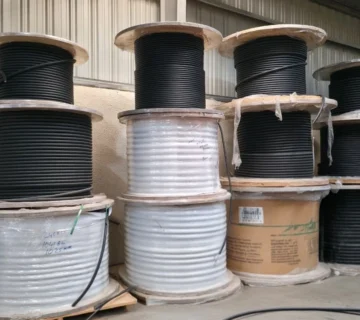
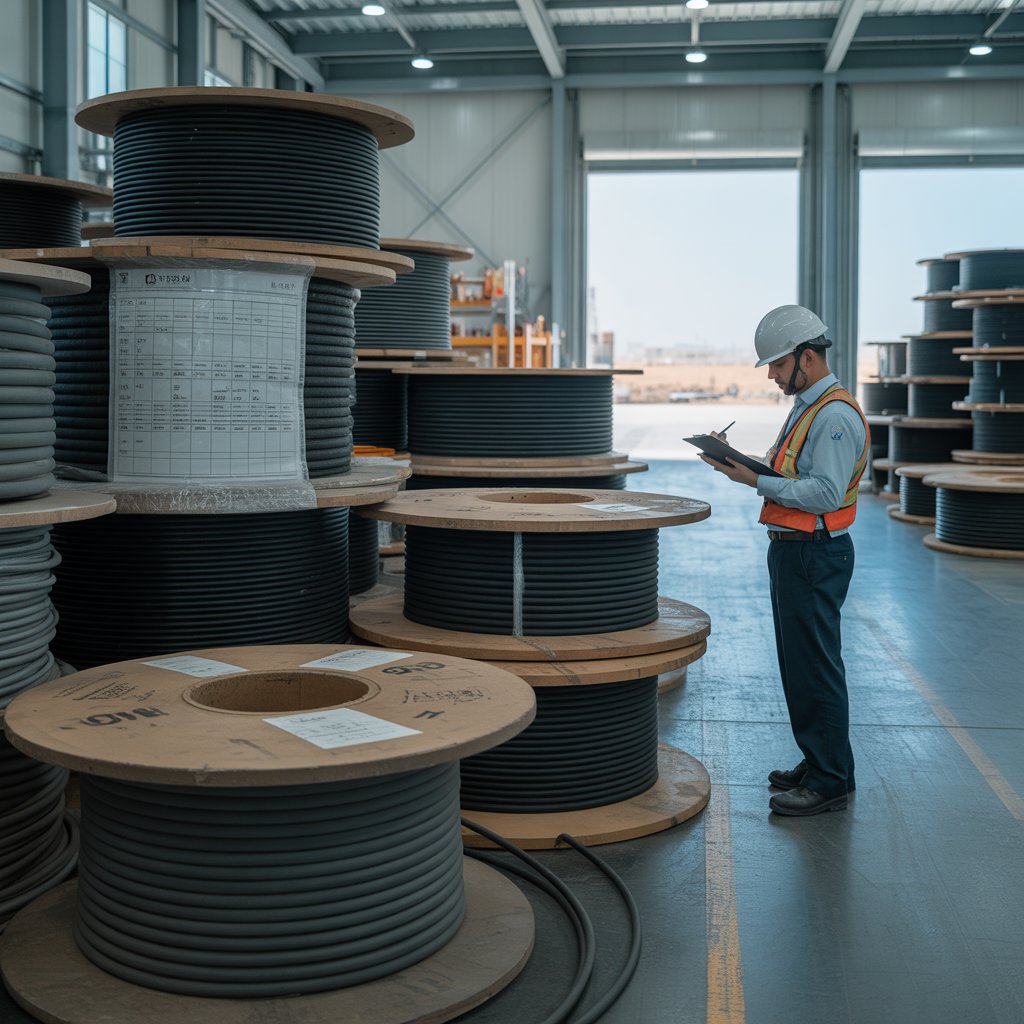
Marine cables may need to withstand moisture, vibration, mechanical stress and corrosive environments. The correct cable should be selected according to voltage, current, installation method, flexibility, temperature and environmental conditions.
For applications requiring repeated movement or demanding installation conditions, flexible marine cables may be appropriate.
A professional marine electrical supplier can help identify the correct cable construction and specification for the application.
3. Select the Correct Marine Lighting
Lighting is essential for both operational efficiency and safety onboard.
Different areas may require different lighting solutions, including:
- Marine LED floodlights
- Marine searchlights
- Navigation lights
- Marine pendant lights
- LED tube lights
- Engine-room lighting
- Deck lighting
- Emergency lighting
For outdoor and exposed applications, the lighting should have suitable protection against water, dust, vibration and corrosion.
Oceanic GMS supplies marine lighting products designed for demanding marine and offshore applications.
4. Consider Hazardous Areas
Certain marine and offshore environments may contain flammable gases, vapours or combustible materials.
Examples include:
- Oil tankers
- Gas carriers
- Refineries
- Offshore platforms
- Petrochemical facilities
- Fuel handling areas
- Tank farms
In these locations, ordinary electrical equipment may not be suitable.
Explosion-proof or appropriately certified equipment may be required depending on the hazardous-area classification.
Oceanic GMS supplies explosion-proof lighting designed for hazardous environments, including Zone 1 and Zone 2 applications, with products available with ATEX and IECEx certifications.
5. Do Not Ignore Signalling and Alarm Systems
Marine operations also depend on reliable visual and audible signalling.
Marine signalling systems can be used for:
- Warning alerts
- Emergency conditions
- Equipment status
- Alarm notifications
- Operational signalling
- Hazard warnings
Qlight marine signalling and alarm systems are among the product categories supplied by Oceanic GMS.
6. Check Protection Ratings
Ingress protection is another important consideration.
Depending on the installation environment, equipment may require suitable IP protection against dust and water.
For marine and outdoor applications, selecting equipment with appropriate IP protection can help reduce the risk of water ingress and premature equipment failure.
For hazardous-area lighting, Oceanic GMS offers products with protection ratings such as IP66 and IP67, depending on the model.
7. Work With an Experienced Marine Electrical Supplier
Selecting equipment only from a product catalogue can create problems if the application requirements are not properly understood.
A knowledgeable supplier should be able to help with:
- Product selection
- Technical specifications
- Certifications
- Datasheets
- Application suitability
- Replacement requirements
- Bulk project supply
- Marine and offshore requirements
This becomes particularly important for ship repair, vessel maintenance and offshore projects where delays can directly affect operations.
Why Choose Oceanic GMS?
Oceanic Global Marine Supply L.L.C. specializes in supplying electrical fixtures, fittings, spare parts and consumables to marine and offshore industries.
Its product range includes marine cables, marine lighting, floodlights, searchlights, navigation lights, Qlight signalling systems and explosion-proof electrical equipment.
Based in Dubai, Oceanic GMS supports shipping companies, ship managers, ship chandlers and ship repair companies with marine electrical products.
Conclusion
Choosing the right marine electrical equipment requires more than comparing prices and specifications.
The equipment should be selected according to the application, environmental conditions, protection requirements, safety standards and operational demands of the vessel or facility.
Whether you require marine cables, lighting, signalling systems or explosion-proof equipment, working with an experienced marine electrical supplier can help ensure the right solution for your project.
Looking for marine electrical equipment in the UAE? Contact Oceanic GMS for product recommendations, technical information and project requirements.