Choosing the right rubber cable is essential for ensuring safety, durability, and reliable electrical performance. In industrial and marine environments, cables must withstand harsh conditions such as moisture, vibration, heat, and mechanical stress. For this reason, selecting the appropriate rubber cable requires careful evaluation of application-specific requirements.
Why Rubber Cable Is Preferred in Industrial and Marine Environments
Rubber cable is widely used because of its flexibility and durability. As a result, industries rely on rubber-insulated cables in demanding environments.
Rubber cables offer:
- High flexibility
- Strong resistance to abrasion
- Moisture and oil resistance
- Performance in extreme temperatures
Because of these properties, rubber cable performs reliably in harsh operating conditions.
Key Factors to Consider When Choosing Rubber Cable
Selecting the right rubber cable depends on multiple technical and environmental factors.
🔹 1. Voltage Rating
Ensure the cable meets the required voltage level for your equipment and installation.
🔹 2. Environmental Conditions
Consider exposure to water, oil, chemicals, UV radiation, or extreme temperatures.
🔹 3. Flexibility Requirements
Applications involving movement or vibration require highly flexible rubber cable.
🔹 4. Mechanical Protection
Heavy-duty installations may require reinforced sheathing for additional protection.
🔹 5. Compliance and Safety Standards
Verify that the rubber cable complies with relevant industrial and marine safety standards.
Rubber Cable for Marine Applications
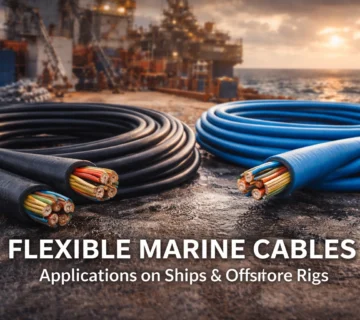
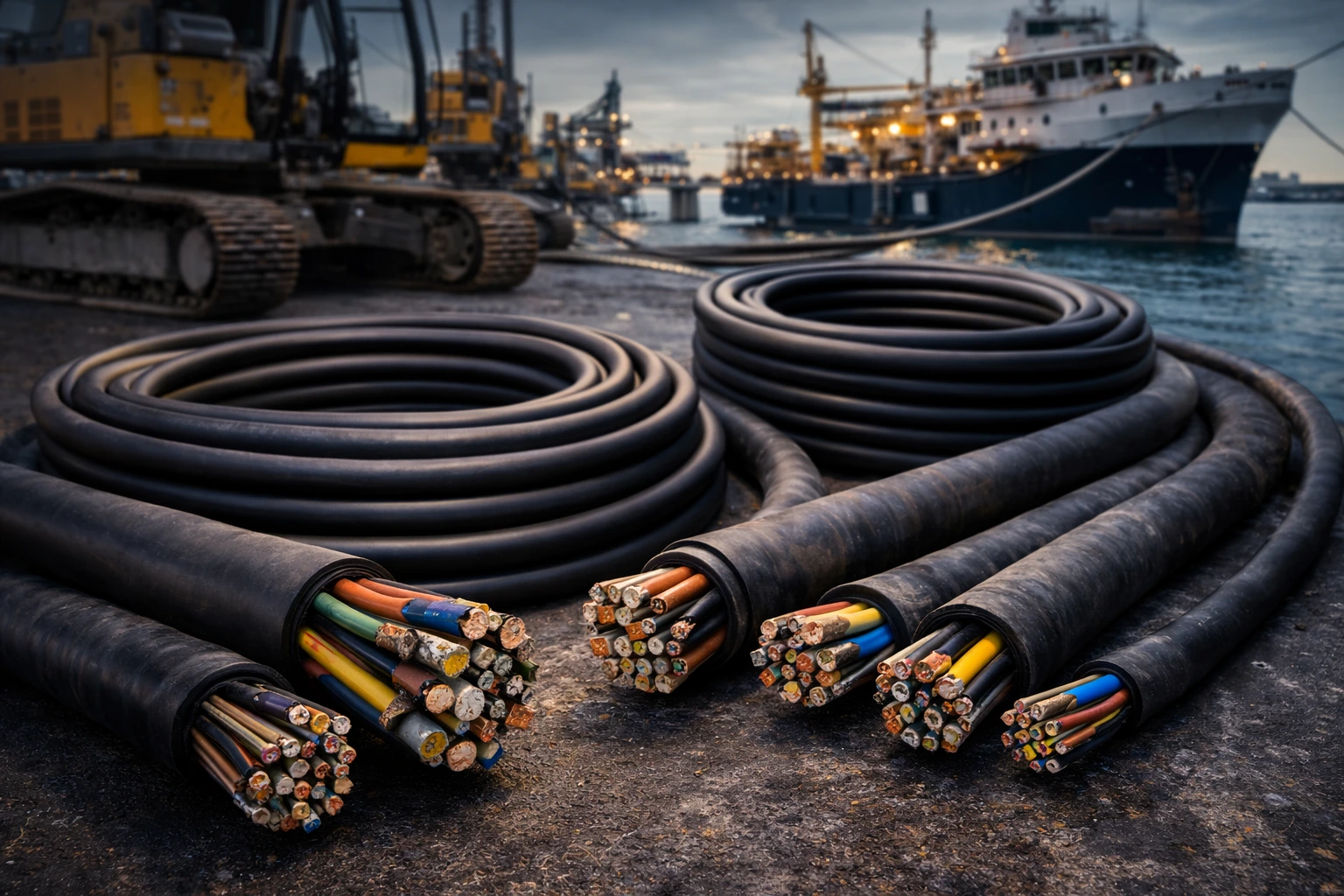
Marine environments demand cables that resist saltwater corrosion, humidity, and constant vibration. For this reason, marine rubber cables are specially designed to provide long-term durability.
Typical marine applications include:
- Ship engine rooms
- Offshore platforms
- Port equipment
- Marine electrical systems
Because marine safety standards are strict, choosing certified rubber cable is critical.
Rubber Cable for Industrial Applications
Industrial facilities require cables that withstand heavy-duty usage. As a result, rubber cable is commonly used in:
- Construction equipment
- Mining operations
- Manufacturing plants
- Power distribution systems
Rubber cables ensure reliable power transmission even under continuous mechanical stress.
Rubber Cable vs PVC Cable: Which Is Better?
When comparing cable types, performance differences become clear.
In comparison, rubber cable:
- Offers superior flexibility
- Performs better in extreme temperatures
- Handles mechanical stress effectively
PVC cables are suitable for fixed installations but are less durable in dynamic or harsh environments.
Final Thoughts
Choosing the right rubber cable depends on understanding your operational environment and technical requirements. By evaluating voltage rating, environmental exposure, and safety standards, industries can ensure reliable performance and long-term durability.0
To ensure product quality and compliance, many businesses work with an experienced rubber cable supplier in UAE for reliable industrial and marine cable solutions.
FAQs – Frequently Asked Questions
Q1. How do I choose the right rubber cable?
Ans – Choose rubber cable based on voltage rating, environmental exposure, flexibility requirements, and compliance standards.
Q2. Is rubber cable suitable for marine use?
Ans – Yes. Marine rubber cables are designed to resist moisture, saltwater corrosion, and vibration.
Q3. What is the difference between rubber cable and PVC cable?
Ans – Rubber cable offers better flexibility and durability in harsh environments, while PVC cable is suited for fixed installations.
Q4. Where is rubber cable commonly used?
Ans – Industrial machinery, construction equipment, marine systems, and heavy-duty power applications use rubber cable.