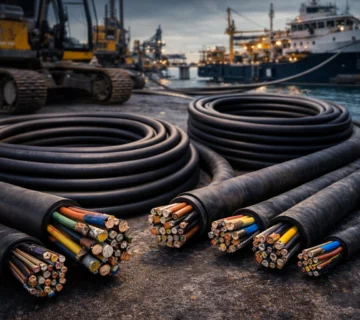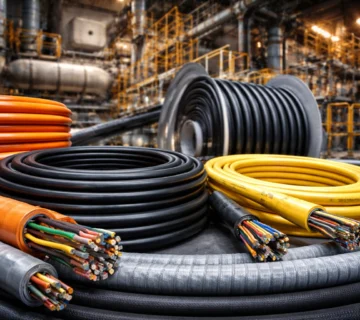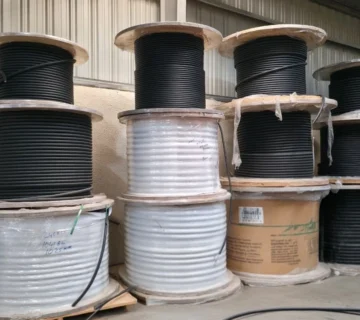
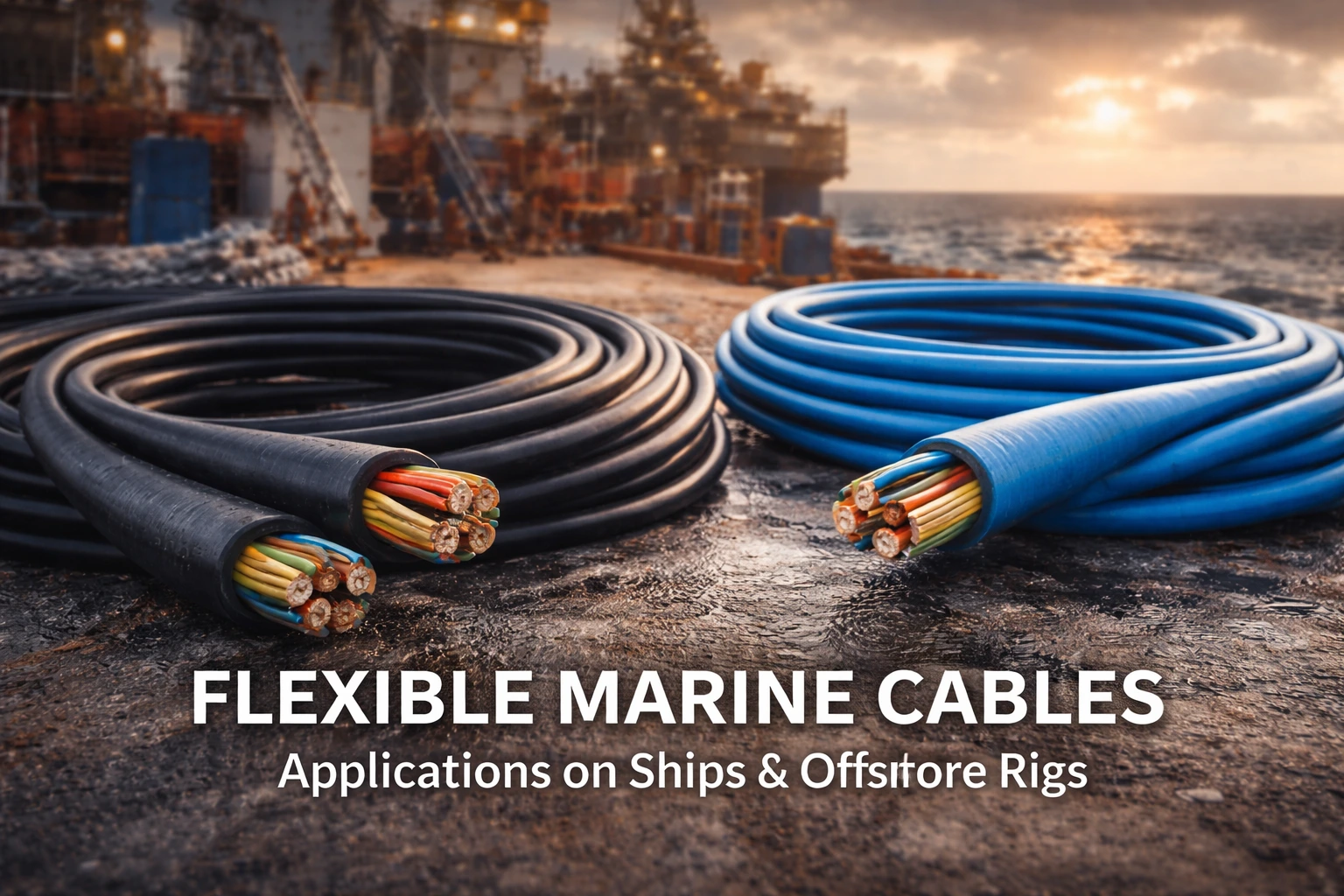
Flexible marine cables are essential for ensuring reliable electrical performance in demanding maritime environments. On ships and offshore rigs, cables must withstand constant vibration, moisture, salt exposure, and mechanical stress. For this reason, industries rely on flexible cables for safe and durable power transmission.
What Are Flexible Marine Cables?
Flexible cables are specially designed electrical cables that offer high flexibility and durability for marine applications. In simple terms, these cables can bend repeatedly without damage while maintaining consistent electrical performance.
Manufacturers design these cables using:
- Multi-stranded conductors
- Flexible insulation materials
- Protective outer sheathing
Because marine environments are harsh, these features ensure long-term reliability.
Why Flexible Cables Are Used in Marine Environments
Marine environments present unique challenges. As a result, cables must perform reliably under extreme conditions.
Flexible marine cables are used because they:
- Resist vibration and movement
- Withstand saltwater and moisture
- Handle temperature variations
- Provide long-lasting performance
Because these conditions are unavoidable at sea, flexible cables become essential.
Applications of Flexible Marine Cables
Flexible marine cables are widely used across various maritime systems.
Common applications include:
- Ship engine rooms
- Offshore oil and gas rigs
- Deck equipment and cranes
- Power distribution systems
- Marine control panels
Because these systems require constant operation, cable reliability is critical.
Benefits
It offer several advantages.
🔹 High Flexibility
They can bend and move without breaking, making them ideal for dynamic environments.
🔹 Durability
They resist mechanical stress, vibration, and environmental damage.
🔹 Safety
They ensure stable power transmission and reduce electrical risks.
🔹 Long Service Life
They require less maintenance and last longer in harsh conditions.
Flexible Marine Cable vs Standard Cable
When comparing cable types, performance differences are clear.
In comparison, flexible marine cables:
- Handle movement and vibration better
- Perform reliably in harsh marine conditions
- Offer greater durability than standard cables
Standard cables are suitable for fixed installations but not ideal for marine environments.
Final Thoughts
The marine cables play a vital role in ensuring safe and efficient electrical systems on ships and offshore rigs. As a result, industries rely on these cables to maintain performance, durability, and safety in demanding maritime conditions.
For reliable performance in marine environments, businesses work with trusted flexible cable suppliers in UAE offering high-quality industrial cable solutions.
FAQs – Frequently Asked Questions
Q1. What are flexible marine cables used for?
Ans – Flexible cables are used for power transmission and control systems on ships and offshore rigs.
Q2. Why are flexible cables important in marine environments?
Ans – They are important because they resist vibration, moisture, and harsh environmental conditions.
Q3. Can flexible cables be used offshore?
Ans – Yes. Flexible cables are widely used in offshore platforms for reliable electrical performance.
Q4. What makes marine cables different from standard cables?
Ans – Marine cables are designed to withstand harsh conditions such as saltwater, vibration, and temperature variations.