
Explosion proof lighting for hazardous areas plays a critical role in protecting people, equipment, and facilities where flammable gases, vapors, or dust may be present. In such environments, standard lighting systems can create serious safety risks. For this reason, industries rely on specially designed explosion proof lighting to prevent ignition and ensure safe operations.
What Are Hazardous Areas?
Hazardous areas refer to locations where combustible substances exist in sufficient quantities to create a fire or explosion risk. In simple terms, these areas become dangerous when an ignition source comes into contact with flammable materials.
Common hazardous areas include:
- Oil and gas facilities
- Chemical and petrochemical plants
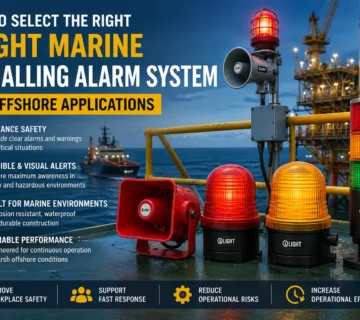
- Marine vessels and offshore platforms
- Paint booths and coating areas
- Fuel storage and processing zones
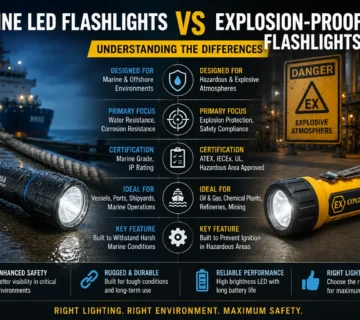
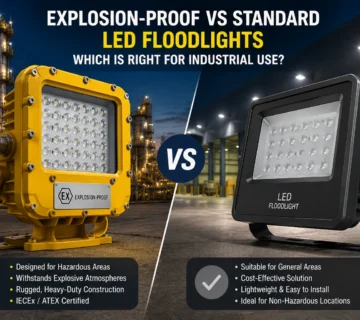
To better understand the fundamentals, it is important to first know what is explosion proof lighting and how it differs from standard industrial lighting.
Why Hazardous Areas Require Explosion Proof Lighting
Unlike regular industrial lighting, hazardous areas demand higher safety standards. As a result, manufacturers design explosion proof lighting to contain internal sparks, heat, or flames within the fixture.
For this reason, explosion proof lighting helps:
- Prevent fire and explosion hazards
- Reduce equipment damage
- Protect workers and infrastructure
- Ensure regulatory compliance
For facilities operating in high-risk environments, certified explosion proof lighting solutions help ensure safety compliance and long-term operational reliability.
Hazardous Area Classifications Explained
To select the right lighting, industries classify hazardous areas based on the type and frequency of explosive substances.
🔹 Gas Hazard Classifications
- Zone 0: Explosive gas present continuously
- Zone 1: Explosive gas likely during normal operation
- Zone 2: Explosive gas unlikely and short-term
🔹 Dust Hazard Classifications
- Zone 20: Combustible dust present continuously
- Zone 21: Dust likely during normal operation
- Zone 22: Dust present infrequently
In these cases, selecting the correct explosion proof lighting is essential for safety.
Explosion Proof Lighting Standards and Certifications
Explosion proof lighting for hazardous areas must meet strict international standards. Therefore, industries only use lighting that complies with recognized certifications.
Key standards include:
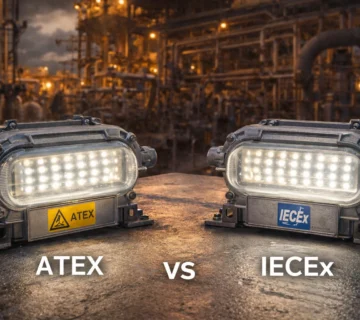
- ATEX (Europe & Middle East)
- IECEx (International)
- Class 1 Division 1 & 2 (North America)
In practice, these certifications confirm that the lighting is safe for specific hazardous zones.
Types of Explosion Proof Lighting Used in Hazardous Areas
Manufacturers design different explosion proof lighting types based on application needs.
Common types include:
- Explosion proof LED lighting
- Explosion proof flood lights
- Explosion proof high bay lighting
- Explosion proof emergency and exit lights
As a result, industries can choose lighting that matches both safety requirements and operational needs.
Industrial and Marine Applications of Hazardous Area Lighting
Explosion proof lighting supports safe operations across multiple sectors.
Typical applications include:
- Offshore oil platforms
- Refineries and processing plants
- Ship engine rooms and marine decks
- Chemical storage facilities
In such environments, manufacturers design explosion proof lighting to perform reliably while maintaining consistent illumination and safety.
How to Choose the Right Explosion Proof Lighting for Hazardous Areas
Choosing the correct lighting depends on several factors. For this reason, industries evaluate the following:
- Area classification (Zone / Division)
- Required certifications (ATEX, IECEx)
- Environmental conditions (heat, moisture, corrosion)
- Mounting height and light output requirements
By following these steps, facilities can reduce safety risks and improve long-term reliability.
Common Mistakes to Avoid in Hazardous Area Lighting
Even experienced facilities make mistakes. However, avoiding these issues improves safety.
Common mistakes include:
- Using uncertified lighting
- Incorrect zone classification
- Ignoring environmental conditions
- Improper installation practices
FAQs – Frequently Asked Questions
Q1. Why is explosion proof lighting required in hazardous areas?
Ans – For safety reasons, industries require explosion proof lighting to prevent ignition and reduce explosion risks in hazardous environments.
Q2. What certifications should explosion proof lighting have?
Ans – Explosion proof lighting should carry certifications such as ATEX, IECEx, or Class 1 Division ratings depending on regional regulations.
Q3. Can explosion proof lighting be used in all hazardous zones?
Ans – Yes, manufacturers design explosion proof lighting for specific zones, but users must select fixtures rated for the correct hazardous classification.
Q4. Is explosion proof lighting suitable for marine environments?
Ans – Yes, marine industries widely use explosion proof lighting because it withstands moisture, corrosion, and harsh operating conditions.
Q5. What happens if incorrect lighting is used in hazardous areas?
Ans – Using incorrect lighting increases fire and explosion risks, leads to compliance violations, and endangers personnel and equipment.